Riverside Drive Locksmith NYC Corp Service Team
Local locksmith team
Aug 5, 2026 10 min read
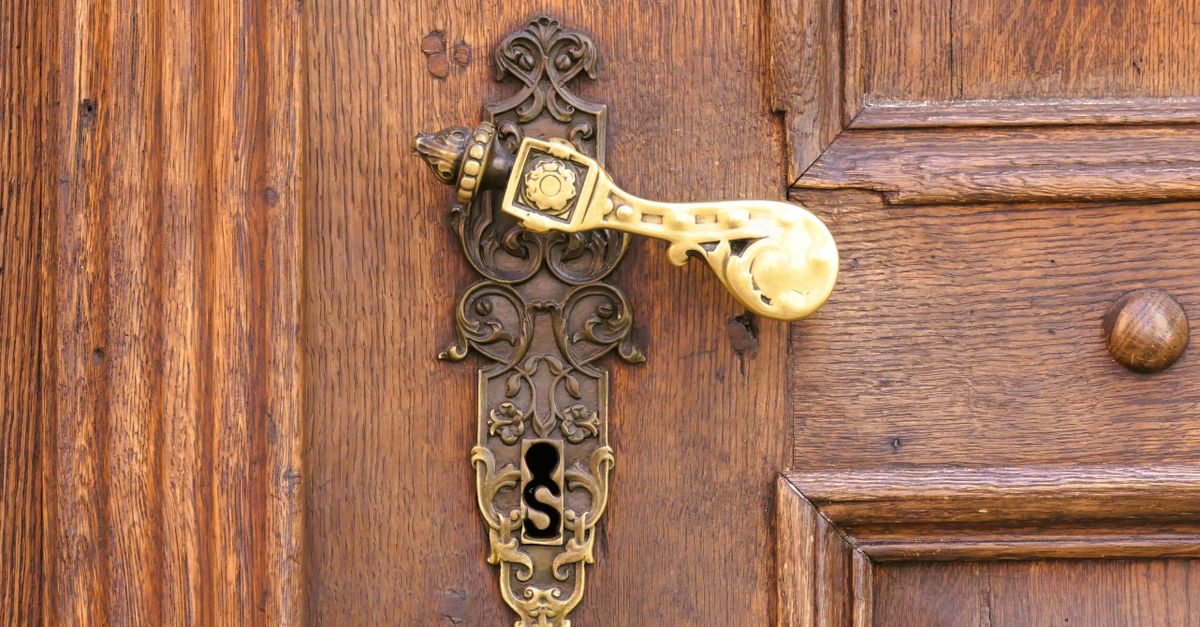
If you've just moved into a pre-war apartment on the Upper West Side or an older brownstone near Riverside Drive, you may have noticed something unusual about your front door — the lock mechanism sits deep inside the door itself, not just bolted onto the surface. That's a mortise lock, and if you live in New York City, there's a very good chance it's what stands between you and the outside world every single night.
Mortise locks are the backbone of residential security in older New York buildings, and for good reason. They're tough, time-tested, and built for doors that were meant to last generations. But they're also more complex than a standard knob-and-cylinder setup, which means understanding what you have — and knowing who to call when something goes wrong — makes a real difference. This guide breaks down exactly what a mortise lock is, why NYC apartments rely on them so heavily, how to spot one on your own door, and what to do if yours needs repair or replacement.
## What Is a Mortise Lock, and How Is It Different from a Standard Door Knob Lock?
A mortise lock is a locking mechanism that fits into a deep rectangular pocket — called a mortise — cut directly into the edge of a door. Unlike a simple door knob with lock and key that mounts to the door's surface with two bolts, a mortise lock set is a self-contained unit housing the latch, deadbolt, and sometimes a knob or lever, all within a single metal case. This integration is what gives it superior strength: there's no exposed hardware to pry away, and the bolt throw is typically longer and more substantial than what you'll find on a standard cylindrical lock.
The mortise lock cylinder — the part that accepts your key — is threaded into the face of the lock body and can usually be replaced independently when it wears out or when you need to rekey after a move. High-end versions from manufacturers like Baldwin mortise lock lines or Corbin Russwin mortise lock products are frequently found in upscale residential and commercial buildings across Manhattan, and they're designed for decades of heavy use. In short, if a regular knob lock is a bicycle lock, a mortise lock is a vault door — they're simply not playing in the same league.
## Why Pre-War NYC Buildings Were Built Around the Mortise Lock
New York City's pre-war residential buildings — those constructed roughly before World War II — were engineered with thick, solid-wood doors, heavy masonry frames, and a general philosophy that things should be built to outlast the people who built them. Mortise locks fit perfectly into that worldview. When you walk into a classic six-story building on Riverside Drive or through the lobby of a 1920s cooperative on the Upper West Side, the doors you encounter were almost certainly framed and chiseled at the factory specifically to receive a mortise lock set. The door and the lock were designed as a system, not as afterthoughts.
Retrofitting a modern cylindrical lock into one of these doors often isn't practical — the door is too thick, the frame geometry is wrong, or the escutcheon plates simply won't line up. That's why building managers, co-op boards, and longtime tenants continue to maintain and repair mortise hardware rather than replace it outright. It's also why a skilled locksmith who understands the specific quirks of New York's older building stock is so valuable. Our team at Riverside Drive Locksmith NYC Corp works on these locks every week across Manhattan's neighborhoods — we know the difference between a Sargent body and a Corbin Russwin mortise lock, and we carry the parts to service both.
## How to Tell If You Have a Mortise Lock on Your Apartment Door
Identifying a mortise lock is simpler than it sounds. Start by looking at the edge of your door — the narrow strip visible when the door is open. If you see a rectangular faceplate (usually brass or steel) with both a latch and a deadbolt emerging from it, that's a strong indicator you have a mortise lock set. Standard cylindrical locks have a round latch mechanism; mortise units have a flat, rectangular faceplate that spans several inches of the door's edge.
Next, look at the interior side of the door. Mortise hardware typically features a full escutcheon plate — a long vertical trim piece — that covers the entire lock body, with a keyhole, a thumb turn, and sometimes a knob or lever all mounted on that single plate. If your door has a separate deadbolt above a separate knob (common in newer construction), you almost certainly have two individual cylindrical locks rather than a mortise unit. Still unsure? Run your finger along the door's edge and feel whether the faceplate is recessed flush into the wood. If it sits deep and flush rather than projecting outward, you're looking at a mortise lock. When in doubt, a quick call to our team at 646-793-9803 — available 24/7 — and we can walk you through it or send someone to take a look.
## Mortise Lock Repair, Rekey, and Replacement: When to Call a Professional Locksmith
Mortise locks are durable, but they're not invincible. Over decades of use in a busy New York apartment building, the internal cam and bolt mechanism can wear, the mortise lock cylinder can become stiff or start slipping, and the case itself can crack if the door is repeatedly slammed or forced. Common warning signs include a key that turns but doesn't throw the bolt cleanly, a lever or knob that feels loose or spins without retracting the latch, or a deadbolt that no longer sits flush when locked. These aren't cosmetic problems — a partially functioning lock is a security vulnerability, especially in a dense urban building.
Repairing or replacing a mortise lock is not a weekend DIY project for most people. The pocket in the door has to be precisely sized, and installing a new mortise lock set on an exterior door requires careful alignment of the strike plate, the cylinder set screw, and the cam orientation — get any of these wrong and the lock either won't function or will feel unreliable. Our experienced locksmiths handle mortise lock repair and full replacements across NYC residential and commercial properties. We also handle rekeying, which is far faster and more cost-effective when the lock body is still sound but the key has been lost, stolen, or shared with a previous tenant. If you've just moved in, rekeying should be one of the first calls you make. Reach us any time at 646-793-9803 — we operate 24 hours a day, seven days a week, including holidays.
## Emergency Locksmith Services, Commercial Locksmith Work, and Everything Else We Handle Across NYC
Mortise lock service is a cornerstone of what we do, but the Riverside Drive Locksmith NYC Corp team handles the full spectrum of lock and security needs across New York City. Whether you're locked out of your apartment at 2 a.m., need a commercial locksmith to rekey an entire office floor after a staff change, or you're searching for a reliable auto locksmith in New York after locking your keys in your car near the West Side Highway, we're the team that picks up. Our services include: residential lockout assistance, commercial lockout response, mortise lock repair and replacement, mortise lock cylinder rekeying, high-security deadbolt installation, door knob lock replacement, mailbox lock repair, gate lock installation, master key system setup, access control system consultation, padlock removal, file cabinet lock repair, safe opening and combination changes, car lockout service, car key cutting, transponder key programming, key fob replacement, broken key extraction from ignition, motorcycle lockout assistance, storefront door lock repair, roll-up gate lock service, panic bar and push bar installation, intercom-integrated lock wiring consultation, window lock installation, and emergency board-up referral coordination after forced entry.
When people ask how much an NYC locksmith costs, or how much a local locksmith charges on average, the honest answer is that the final price depends on several real factors: the type of lock involved (a mortise lock set on an exterior door requires more labor and specialized parts than a simple knob swap), the time of day (emergency locksmith service at 3 a.m. reflects after-hours availability), travel distance to your location, and whether replacement parts are needed on the spot. What we always do — before a single tool comes out — is give you a clear, confirmed price. No surprises, no add-ons at the end of the job. When it comes to how to find a reputable locksmith in NYC, the answer is simpler than the internet makes it seem: look for a team with genuine local knowledge, a real phone number staffed around the clock, and a commitment to quoting you honestly before work begins. That's exactly how we operate. Call 646-793-9803 any time — we answer 24/7.
Frequently asked questions
What is a mortise lock, and is it more secure than a regular deadbolt?+
A mortise lock is a lock mechanism installed inside a deep pocket cut into the door's edge, housing the latch, deadbolt, and cylinder in a single integrated case. Because the entire mechanism is recessed within the door rather than surface-mounted, there's less exposed hardware to attack. When properly installed and maintained, a quality mortise lock offers excellent resistance to forced entry — one reason they've remained the standard in New York's older apartment buildings for over a century. A standard deadbolt mounted on a hollow-core door, by comparison, is only as strong as the door and frame around it.
How much does an emergency locksmith cost near me in NYC?+
The cost of emergency locksmith service in New York depends on several variables: what type of lock is involved, whether it's a straightforward lockout or a full lock replacement, the time of day, and how far our technician needs to travel to reach you. Emergency calls during overnight hours reflect the reality of 24-hour availability and mobilizing a skilled locksmith on short notice. We never quote vague ranges or add surprise fees — before any work begins, we give you an exact, confirmed price. Call 646-793-9803 to get a straight answer for your specific situation.
Can I rekey my mortise lock myself after moving into a new NYC apartment?+
Rekeying a mortise lock cylinder is technically possible as a DIY task if you have the right pinning kit and know the specific lock brand and model — but in practice, it's easy to get wrong. Mortise lock cylinders come in different thread sizes and cam configurations, and using the wrong pins or reassembling the cylinder incorrectly can leave you with a lock that won't turn at all. Given that your front door security is on the line, calling a professional locksmith is the faster, safer choice. We can rekey most standard mortise cylinders quickly and confirm everything is working perfectly before we leave.
Where can I find a reliable auto locksmith in New York for a car lockout?+
Riverside Drive Locksmith NYC Corp handles car lockouts and auto locksmith services across New York City in addition to residential and commercial lock work. Whether you're stuck near Columbus Circle, in a parking garage in Midtown, or on a side street in Washington Heights, our mobile team can reach you. We work with most car makes and models, handle transponder key programming, key fob replacement, and broken key extraction. Call 646-793-9803 any time — day or night — and we'll dispatch a technician to your location.